



About Wilpattu
Venture into the untamed landscapes of Wilpattu National Park, Sri Lanka's largest national park and one of its most distinctive wildlife destinations. Located in the island's northwestern dry zone, Wilpattu offers a safari experience shaped by dense forest, sandy tracks, quiet wetlands, and extraordinary encounters with nature.
Drives leave the gate at 6am and 2.30pm. Three and a half hours from Colombo, and most people stay at Anuradhapura. Strongest from February to October.
Unlike parks known for wide-open plains, Wilpattu invites you to explore a more secluded wilderness. Its thick vegetation and natural clearings create a landscape where wildlife can appear unexpectedly, making every turn along the forest trails part of the adventure.
For travellers seeking a deeper connection with nature, Wilpattu offers something special: the excitement of searching for wildlife in a landscape that remains beautifully wild.
A land of natural lakes and hidden wildlife
Wilpattu takes its name from the numerous villus found throughout the park. These distinctive natural water basins, often bordered by pale sandy banks and lush vegetation, fill with rainwater and provide important habitats for wildlife.
As you travel between the villus, the scenery changes from dense woodland to open clearings where animals come to drink, feed, and rest. The contrast between the forest and the water creates excellent opportunities for wildlife observation and photography.
These natural lakes are among the defining features of Wilpattu, supporting mammals, reptiles, and a rich variety of resident and migratory birds. They give the park a character unlike any other safari destination in Sri Lanka.
Leopard country: the thrill of the search
Wilpattu is renowned for its Sri Lankan leopards, one of the island's most iconic wild animals. Unlike a zoo or wildlife park, spotting a leopard here requires patience, observation, and a little luck.
A movement in the undergrowth, fresh tracks across a sandy road, or a fleeting silhouette near a waterhole can turn an ordinary game drive into an unforgettable moment. The park's forests and natural clearings offer important habitat for these elusive predators.
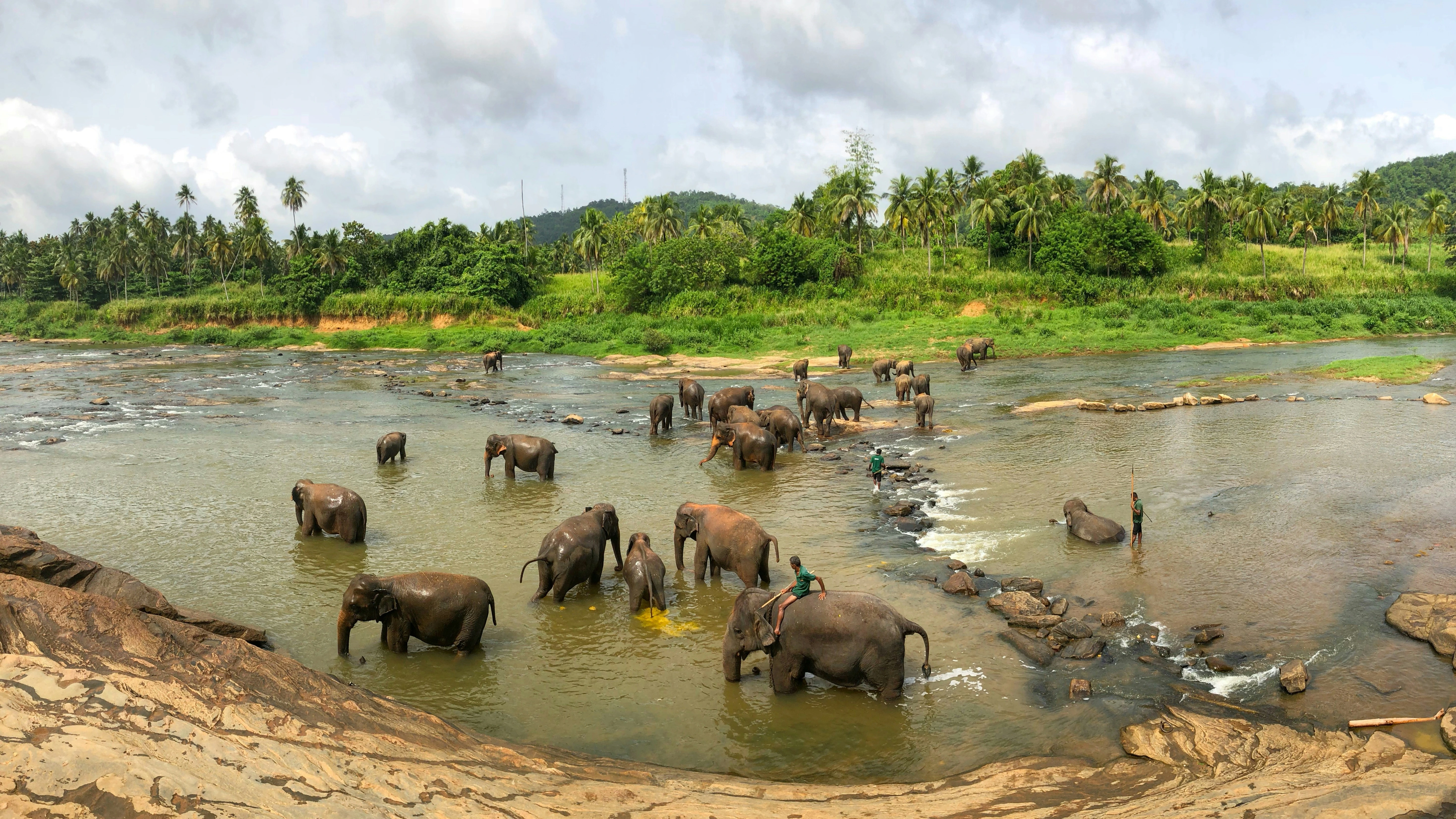
But the excitement does not end with leopards. Wilpattu is also home to Sri Lankan sloth bears, Asian elephants, spotted deer, sambar deer, wild boar, and other native mammals. Each safari brings different possibilities, with sightings depending on the season, weather, and movements of the animals.
More than leopards: a world of wildlife
Wilpattu's rich ecosystems support a remarkable range of wildlife. Asian elephants move through the forest and open habitats, while sloth bears forage for food among the trees and scrub.
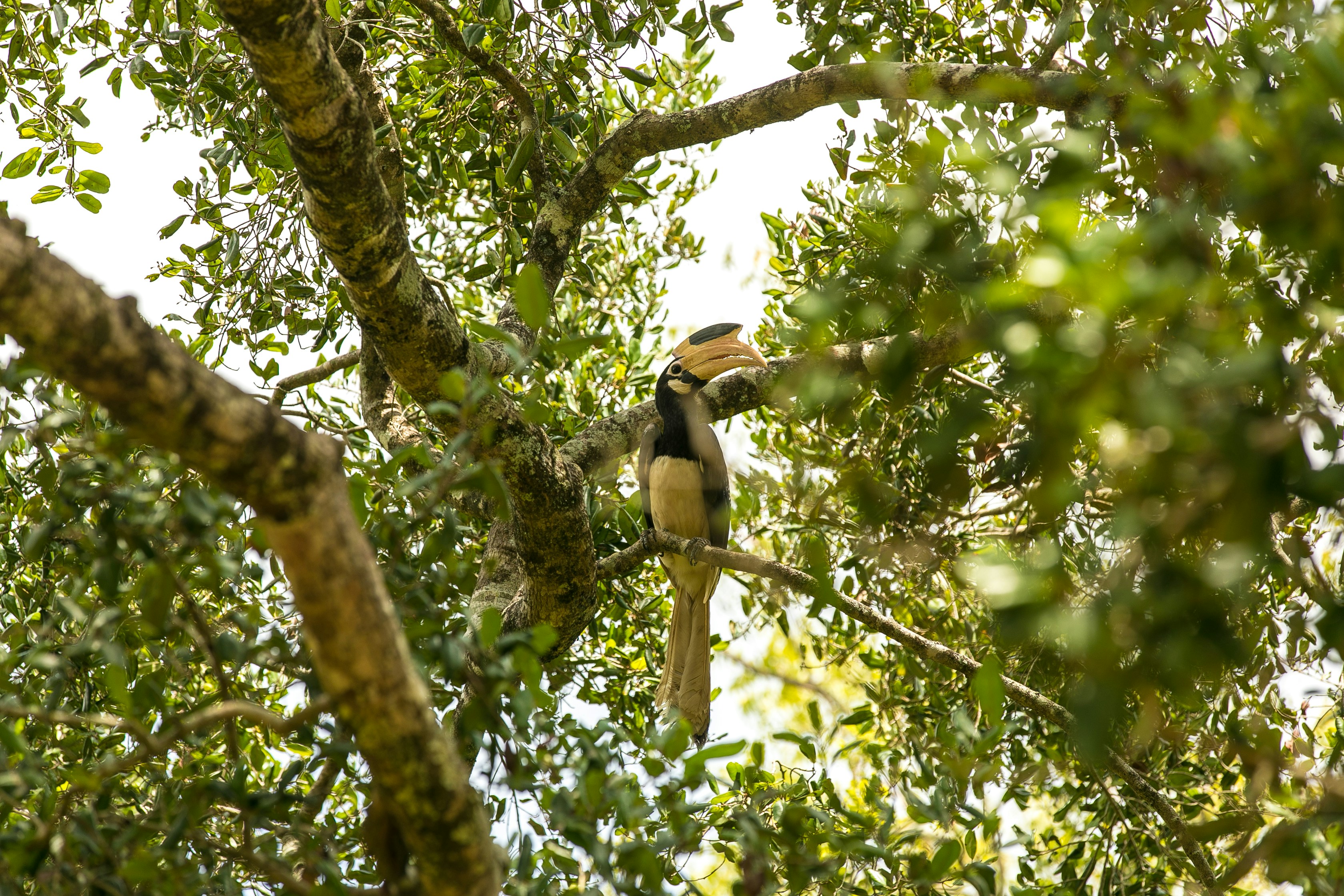
The villus provide excellent places to observe birdlife, including painted storks, pelicans, herons, eagles, and kingfishers. Crocodiles may be seen resting near the water, while monitor lizards inhabit the park's wetlands and forest margins.
For wildlife photographers and nature enthusiasts, the experience extends beyond individual animal sightings. The reflections across a quiet villu, the filtered sunlight through the trees, and the sight of birds crossing the water all contribute to Wilpattu's unique atmosphere.
An ancient wilderness with a remarkable past
Wilpattu was declared a wildlife sanctuary in 1905 and became a national park in 1938, placing it among Sri Lanka's oldest protected areas.
Its significance lies not only in its wildlife but also in the landscapes and ecological systems it protects. The park preserves extensive dry-zone forest, scrubland, and natural wetlands that are increasingly important for the conservation of Sri Lanka's native species.
A journey through Wilpattu is an opportunity to experience a different side of the island: one where the natural world takes centre stage and the rhythm of the day is shaped by the forest, the weather, and the movement of wildlife.
When is the best time to visit Wilpattu?
The drier months, generally from February to October, are often favoured for wildlife safaris, although conditions vary from year to year. As water becomes less abundant across the landscape, the villus can become important gathering places for animals.
Early-morning safaris offer cooler conditions and opportunities to observe wildlife as the forest awakens. Afternoon drives bring beautiful natural light and the chance to explore the park as temperatures begin to ease.
Wilpattu is also rewarding for birdwatching, particularly when migratory species visit its wetlands. Because the park has dense vegetation and wildlife moves freely, sightings can be unpredictable. Patience is part of what makes the experience worthwhile.
Always check current park access and seasonal closure information before travelling.
The package
- Private 4x4 safari jeepEnjoy the experience with your own group, without sharing the vehicle with other travellers.
- Experienced local driverExplore with someone familiar with the park's tracks and changing wildlife conditions.
- Park entrance tickets and permitsIncluded for everyone in your party.
- Hotel pickup and drop-offConvenient transfers arranged according to your accommodation and agreed pickup location.
- Cold drinking water and binocularsStay refreshed and enjoy a closer look at wildlife along the way.
Not included
- Meals and drinks beyond the supplied water
- Professional camera permits where applicable
- Optional tips for your safari team
How long you're out
- Half day4 to 5 hours
- Ideal for travellers who want an exciting wildlife experience within a shorter schedule. Choose a morning or afternoon session and explore the park's landscapes in search of leopards, elephants, birds, and other wildlife.
- Full day9 to 10 hours
- Spend more time exploring the wilderness with morning and afternoon sessions, separated by a midday break at a suitable resting spot. A longer safari gives you more time to explore different habitats and observe wildlife, although animal sightings can never be guaranteed.