



About Lunugamvehera
Escape into the natural beauty of Lunugamvehera National Park, a protected wilderness in Sri Lanka's Southern Province, near the boundary with Uva Province. Located between the island's southeastern wildlife landscapes, Lunugamvehera plays an important role in conserving elephants and protecting the natural habitats that connect the region's larger national parks.
Drives leave the gate at 6am and 2pm. Five hours from Colombo, and most people stay at Tissamaharama. Strongest from April to August.
Here, dry tropical forests, scrubland, grasslands, and reservoir habitats create a landscape rich in natural beauty. The atmosphere is different from Sri Lanka's more heavily visited safari destinations, offering travellers an opportunity to discover the wilderness at a more relaxed pace.
Whether you are hoping to encounter wild elephants, observe native birdlife, or explore the scenery of Sri Lanka's dry zone, Lunugamvehera offers a rewarding journey into the island's natural heritage.
Follow the trails of Sri Lanka's wild elephants
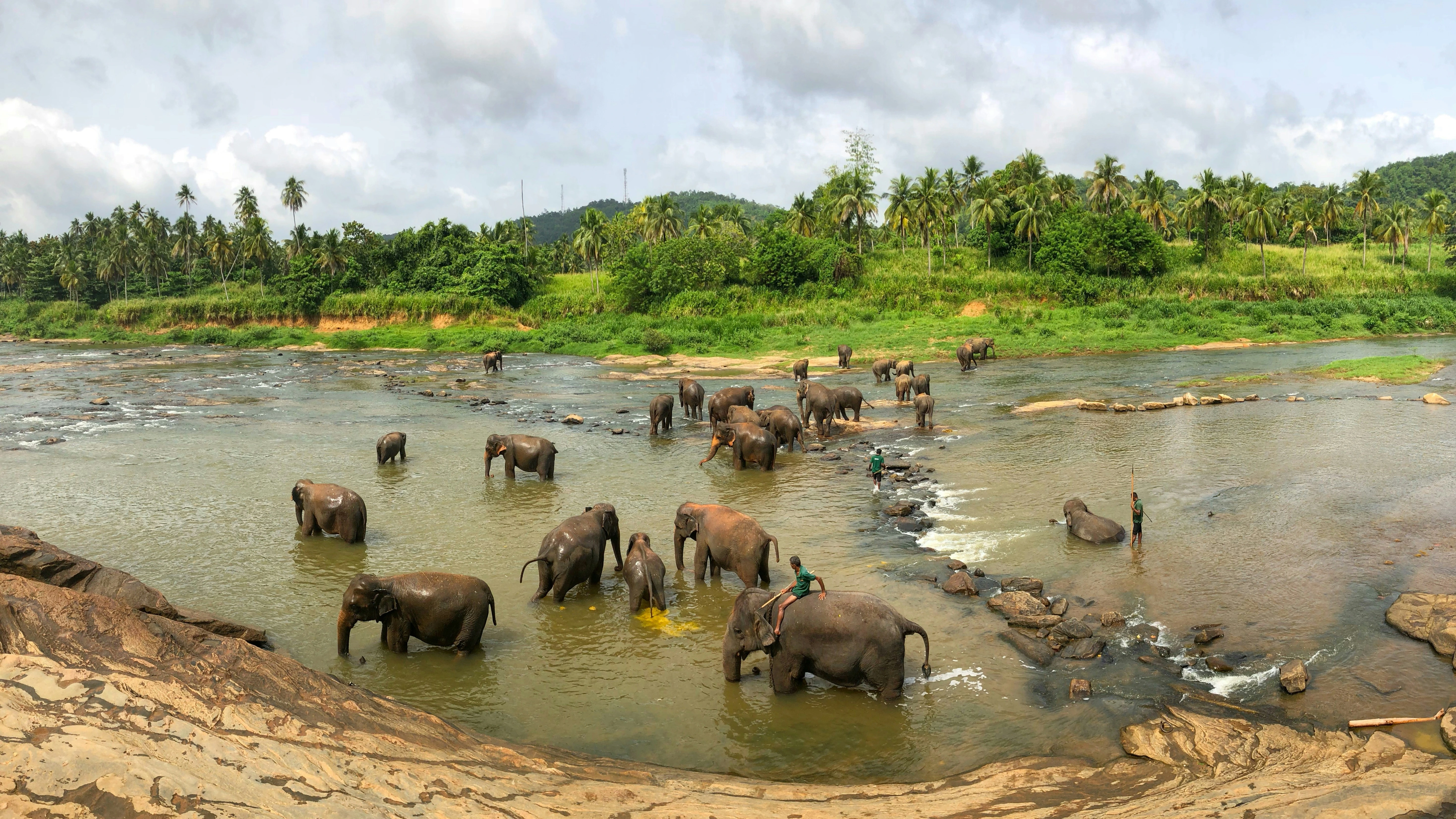
Asian elephants are among the most significant animals protected within Lunugamvehera National Park. The park forms part of an important landscape for elephant conservation, helping maintain habitat and movement between protected areas in southern and southeastern Sri Lanka.
During a safari, you may encounter elephants feeding among the vegetation, moving through open areas, or gathering near water sources. Their movements depend on rainfall, food availability, and seasonal conditions, making each visit different.
Watching these magnificent animals in their natural surroundings is a memorable experience. From a distant herd crossing the landscape to the sight of an elephant emerging from the forest, every encounter offers a glimpse into the lives of Sri Lanka's wild giants.
Wildlife sightings are never guaranteed, but exploring patiently with an experienced local driver can help you appreciate the park and its changing conditions.
A wilderness rich in natural diversity
Lunugamvehera is more than an elephant habitat. Its dry-zone ecosystems support a variety of mammals, birds, and reptiles adapted to the region's seasonal climate.
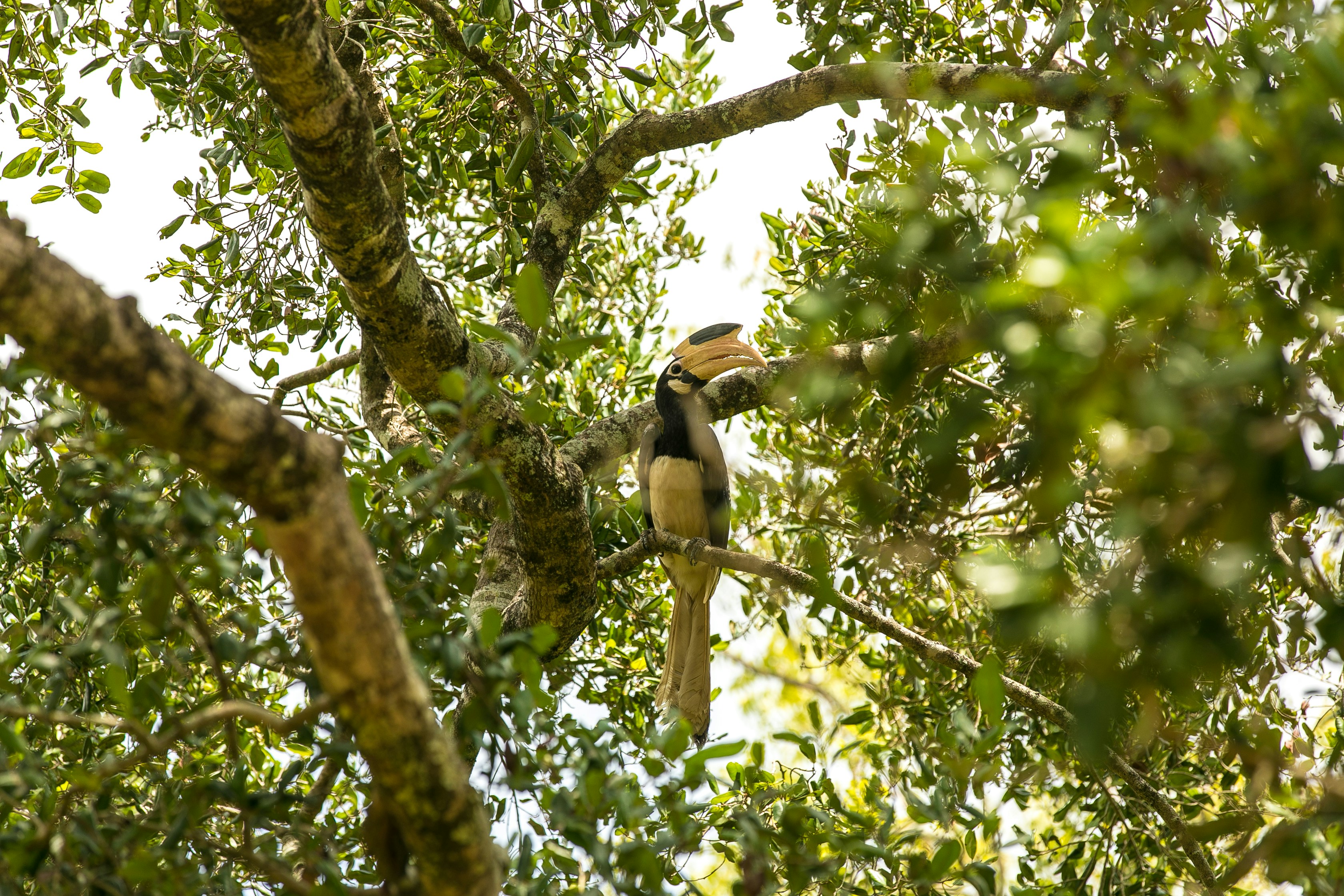
Keep an eye out for spotted deer, sambar deer, wild boar, monkeys, and other native wildlife. Birds can be found across the woodland, grassland, and wetland habitats, while reptiles inhabit the park's varied environments.
The changing scenery is part of the attraction. Dry forest tracks lead through scrubland and open clearings, while water bodies provide a striking contrast to the surrounding vegetation. For nature enthusiasts and photographers, the park offers opportunities to appreciate wildlife and landscapes beyond the island's most famous safari routes.
Where water and wilderness meet
The park lies in Sri Lanka's dry climatic zone, where seasonal rainfall plays an important role in shaping the environment. Reservoirs and water sources are vital to the surrounding ecosystems, supporting wildlife and helping sustain habitats through drier periods.
Lunugamvehera Reservoir is also associated with the region's irrigation network and the longstanding relationship between water management and life in Sri Lanka's dry zone.
These landscapes provide a different safari atmosphere from the open elephant-gathering grounds of Minneriya and Kaudulla. Here, the experience centres on exploring a broad natural environment where wildlife moves between forest, scrub, and water.
An important link in Sri Lanka's wildlife landscape
Lunugamvehera National Park was established in 1995 and plays an important role in protecting wildlife habitats in southern Sri Lanka. It is closely associated with the wider network of protected areas surrounding Yala and Bundala.
By safeguarding natural habitats and helping maintain connectivity between wildlife areas, the park contributes to the long-term conservation of Sri Lanka's elephants and other native species.
For travellers interested in discovering more than the country's best-known national parks, Lunugamvehera offers a chance to experience another part of this remarkable conservation landscape.
When is the best time to visit Lunugamvehera?
The drier periods are often favourable for wildlife viewing, as animals may become easier to observe around remaining water sources and open feeding areas. However, conditions change with rainfall, and sightings vary throughout the year.
Early-morning and afternoon game drives offer opportunities to explore in cooler conditions and enjoy the changing light across the landscape.
Lunugamvehera is less widely known internationally than Yala, so it can appeal to travellers looking for a different safari experience. However, visitor numbers and wildlife visibility vary, and a quieter park should not be taken as a guarantee of fewer vehicles or more animal sightings.
Check current park access and local conditions before planning your visit.
The package
- Private 4x4 safari jeepEnjoy the experience with your own group, without sharing the vehicle with other travellers.
- Experienced local driverExplore with someone familiar with the park's tracks and changing wildlife conditions.
- Park entrance tickets and permitsIncluded for everyone in your party.
- Hotel pickup and drop-offConvenient transfers arranged according to your accommodation and agreed pickup location.
- Cold drinking water and binocularsStay refreshed and enjoy a closer look at wildlife along the way.
Not included
- Meals and drinks beyond the supplied water
- Professional camera permits where applicable
- Optional tips for your safari team
How long you're out
- Half day4 to 5 hours
- Ideal for travellers who want an exciting wildlife experience within a shorter schedule. Choose a morning or afternoon session and explore the park's landscapes in search of leopards, elephants, birds, and other wildlife.
- Full day9 to 10 hours
- Spend more time exploring the wilderness with morning and afternoon sessions, separated by a midday break at a suitable resting spot. A longer safari gives you more time to explore different habitats and observe wildlife, although animal sightings can never be guaranteed.